
Key Growth Milestones for a newborn
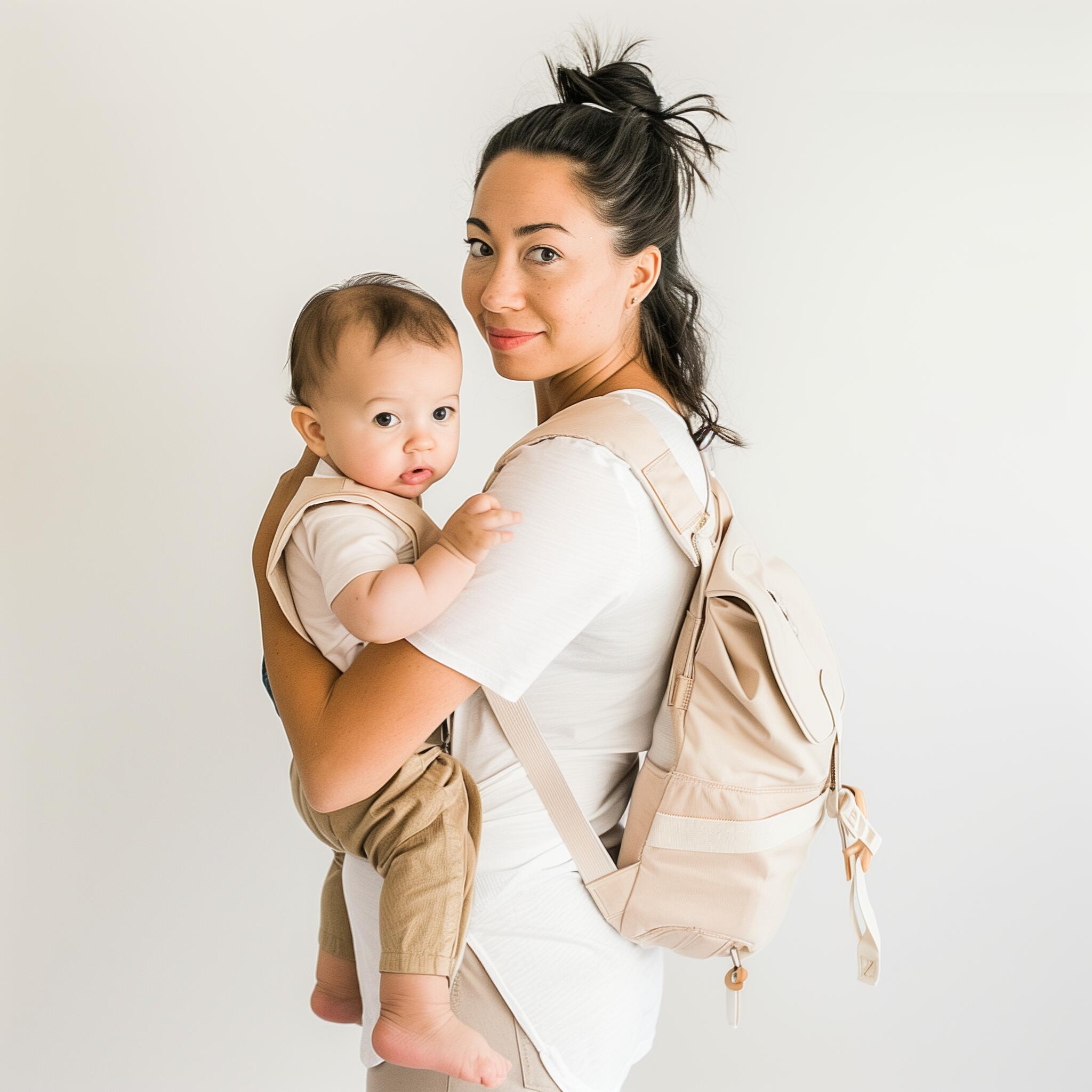
0 - 3 Months
By the end of the third month, most babies will:
- Recognize the sight and voice of their parents
- Smile in response to seeing or hearing their parents
- Become interested in more complicated visual patterns
- Become interested in strangers’ faces
- Develop more head control
- Sleep in longer blocks of time
- Tend to reach toward or grab objects more often
0 - 6 Months
By the end of 6 months, your baby should:
- be able to focus on small objects
- look toward the source of sound
- repeat and babble simple sounds made by the user
- eat less often and practice eating solid food
- play alone for long periods of time before crying
- begin examining the world with their hands
0 - 9 Months
By end of the ninth month, most babies will:
- look for toys which have moved out of sight
- become upset when you say good-bye and leave
- try to imitate your words by babbling
- move more independently, learning to crawl and/or pull up
- begin to manipulate and understand how objects work
0 - 12 Months
- Sitting Independently: Achieves the ability to sit without support (usually by 6-9 months). This is a foundation for all subsequent upright movement and frees the hands for play.
- Pincer Grasp: Develops the skill to pick up small objects using the thumb and forefinger (usually by 9-12 months). This fine motor skill is crucial for self-feeding and exploring small toys.
- Crawling or Cruising: Achieves some form of self-locomotion (crawling, scooting, or pulling up and walking while holding onto furniture, known as cruising) to independently move around the room.
- Basic Communication: Understands and responds to their own name and the word "No," and may start using simple gestures like waving "bye-bye."
- Object Permanence: Demonstrates an understanding that objects still exist even when they are out of sight, typically by looking for a hidden toy (a key cognitive step, usually established around 8-10 months).